







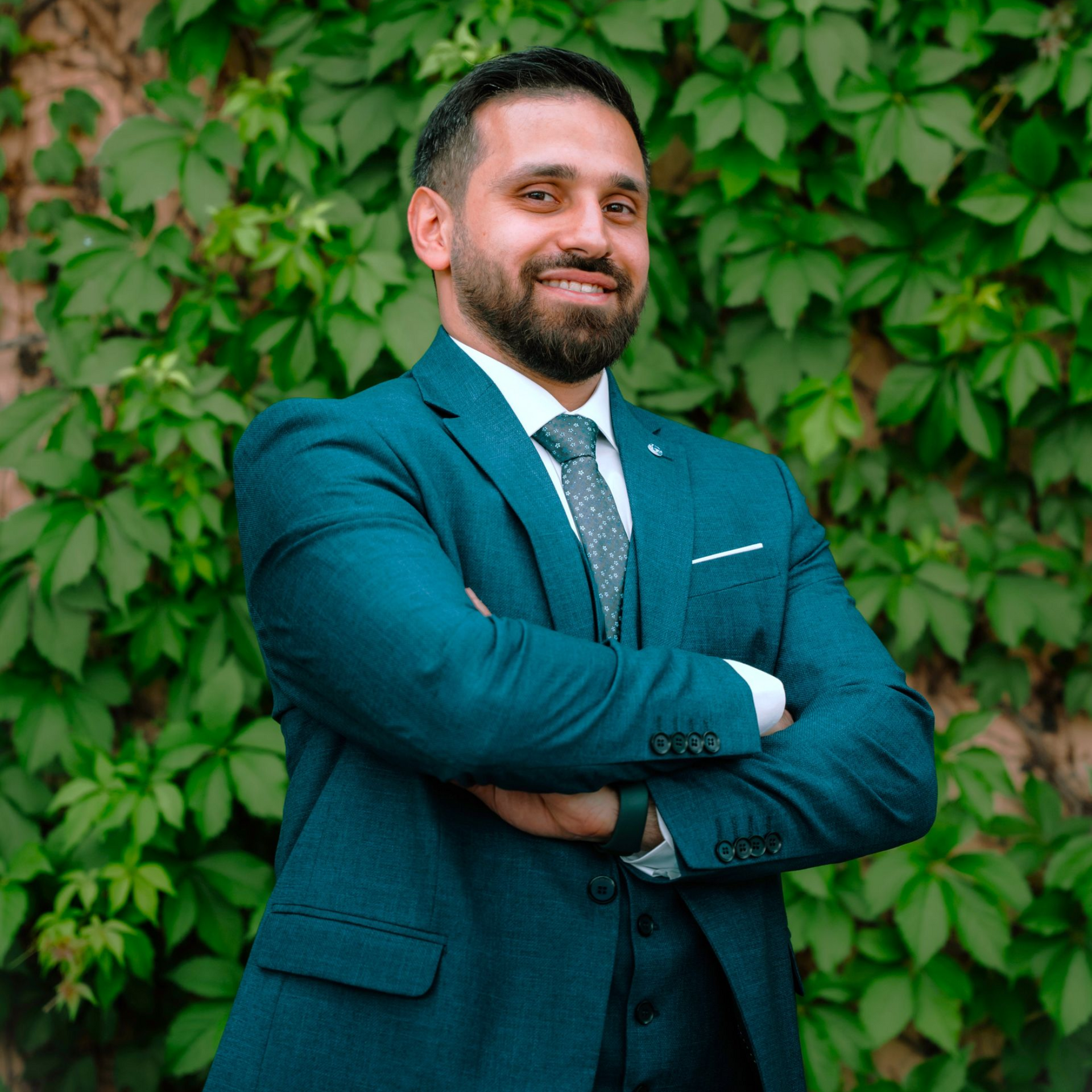
Mohamad-Ali Salloum is a Pharmacist and science writer. He loves simplifying science to the general public and healthcare students through words and illustrations. When he's not working, you can usually find him in the gym, reading a book, or learning a new skill.
7 books that will change your life
Mohamad-Ali Salloum, PharmD • December 17, 2022
Share
When I was a teenager, reading was not the thing for me. I always thought that I will never be able to concentrate and read like 500-pages book.
Nowadays, I read 4-5 books per year, which is impressive for me because I work full-time in Clinical Research, manage a website, shoot and edit YouTube videos, and go to the gym.
The point here is, YOU CAN ALSO MANAGE TO READ SOME BOOKS :)
The books I read are not novels, but they are self-help books, neuroscience books, etc.. these types of books, usually take time to read and comprehend in contrast to novels that can be finished easily and fast.
In this article, I will provide you with 7 books that will certainly change your life because they did for mine. The videos are summaries I collected from YouTube from different creators to show you a brief about the book.
I encourage you to watch all of the videos and buy
AT LEAST
one of the below mentioned books and learn from it!
1) 12 Brain Rules, By John Medina
2) Eat move sleep, by Tom Rath
3) The Art of Thinking Clearly, by Rolf Dobelli:
4) The Subtle Art of Not Giving a F**ck, by Mark Manson:
5) 5 AM Club, by Robin Sharma:
6) The Power of Habit, by Charles Duhigg
7) Atomic Habits, by James Clear:
List of Services
ABOUT THE AUTHOR
Mohamad-Ali Salloum, PharmD
Share
Recent articles:

Discover how busy professionals can optimize their home office to support physical activity, reduce prolonged sitting, boost productivity, and improve long-term health using evidence-based strategies, movement-friendly workspace design, exercise snacks, walking meetings, and practical fitness habits.

Discover the neuroscience of impulse control and how mindfulness can help you pause before reacting. Learn how a small break can reduce impulsive decisions, strengthen self-control, and improve emotional regulation using evidence-based psychological strategies.

th, time management, and a strong identity beyond work. Discover practical strategies to prevent burnout and create sustainable long-term well-being.
Discover how boundaries, autonomy, workload control, and digital disconnection reduce stress, improve recovery, and prevent burnout.
Learn how to recover from burnout by rewiring your brain and nervous system. Discover science-backed techniques including breathwork, mindfulness, exercise, cognitive restructuring, psychological flexibility, and motivation rebuilding.
Learn the science of recovery, why scrolling isn't rest, how sleep repairs the brain, and why weekends alone don't cure burnout.
Burnout is more than stress. Learn how chronic burnout impacts mental health, heart health, immunity, cognition, and overall well-being.
Burnout doesn’t happen overnight. Learn the early warning signs—mental, physical, and behavioral—so you can catch burnout before it takes control.
Feeling exhausted but work isn’t the problem? Learn how life burnout happens and why your daily responsibilities may be draining you.
Think burnout is just stress? Discover how your thoughts, habits, and mindset may be silently driving your exhaustion.