







Mohamad-Ali Salloum is a Pharmacist and science writer. He loves simplifying science to the general public and healthcare students through words and illustrations. When he's not working, you can usually find him in the gym, reading a book, or learning a new skill.
Is our energy finite? Or can we summon energy as much as we want?
Mohamad-Ali Salloum, PharmD • September 11, 2024
Share
I’ve always thought that our energy is limited (due to the physical laws of thermodynamics, where it states that energy is neither created nor destroyed, it’s only transformed) and that when we work around 10 hectic hours a day, there’s nothing to do more than go home, eat, watch some tiktoks/reels, and then sleep. I know that our bodies and minds can feel depleted after long periods of exertion, but this feeling is not always an indicator that we are out of energy.
Little by little, I am now convinced with the contrary to this theory. It’s not that our energy is finite, but what we can really do is to refresh ourselves to access the energy in us that we always had but never used.
Imagine your energy is 100%/day. All your life, you thought that you were using 90-95% of your energy by going to school and then studying after-school, or during the collage days, or even when you started working. The most hectic phase is the work phase, where you are now stuck in adulthood and you have no escape. But this phase will be the best one if you knew how to play it.
You are actually using only 50% of your true energy. (ps: I made up this percentage… but let me explain)
Now as I am writing this article, I was work-travelling, I woke up today at 4 am, worked on some urgent tasks before going to the hospital, went to the hospital at 8 am and then worked till 6:30 pm.
Then I went to the hotel, took a 1-hour rest. And now I am eating lunch and writing this article.
When I reached the hotel, I was tired as f**k. I just wanted to take a shower and then sleep, but then I remembered something that always motivated me. (I heard David Goggins talk about it in a Podcast)
Imagine when you die, the angels at the gates go through a list of your traits and qualities that you had during your lifetime, and they mention a top tier qualities that you’ve never imagined you will ever have or even mention accomplishments you’ve never thought that you would achieve something near to them. You tell them that they are describing someone else, and this person is not you. They reply to you that this person is the one you would have been if you worked enough on yourself.
CHILLS.
Imagine not being able to be the best version of yourself, just because you didn’t choose to…you always have the choice, but somehow you find an excuse to not do anything to make yourself better. Or even convince yourself that sending some emails or doing some tasks during the work day is enough to make you excel or reach this version of yourself.
So i got up, feeling a whole new energy in me (although I didn’t sleep). I went outside of the hotel to the nearest restaurant, and now i’m finishing this article.
After that I will continue working on my Running V-log project that I am currently working on. Step by Step.
But the most important thing is to know that you will reach what you want one day if you make enough effort to accomplish it and make less excuses to run from it. The key takeaway is that while our physical energy might have limits, our mental and emotional energy can be optimized through various strategies. By adopting a proactive approach to energy management and changing your perspective of how you see things, you can unlock your full potential and achieve greater productivity and fulfillment.
List of Services
ABOUT THE AUTHOR
Mohamad-Ali Salloum, PharmD
Share
Recent articles:
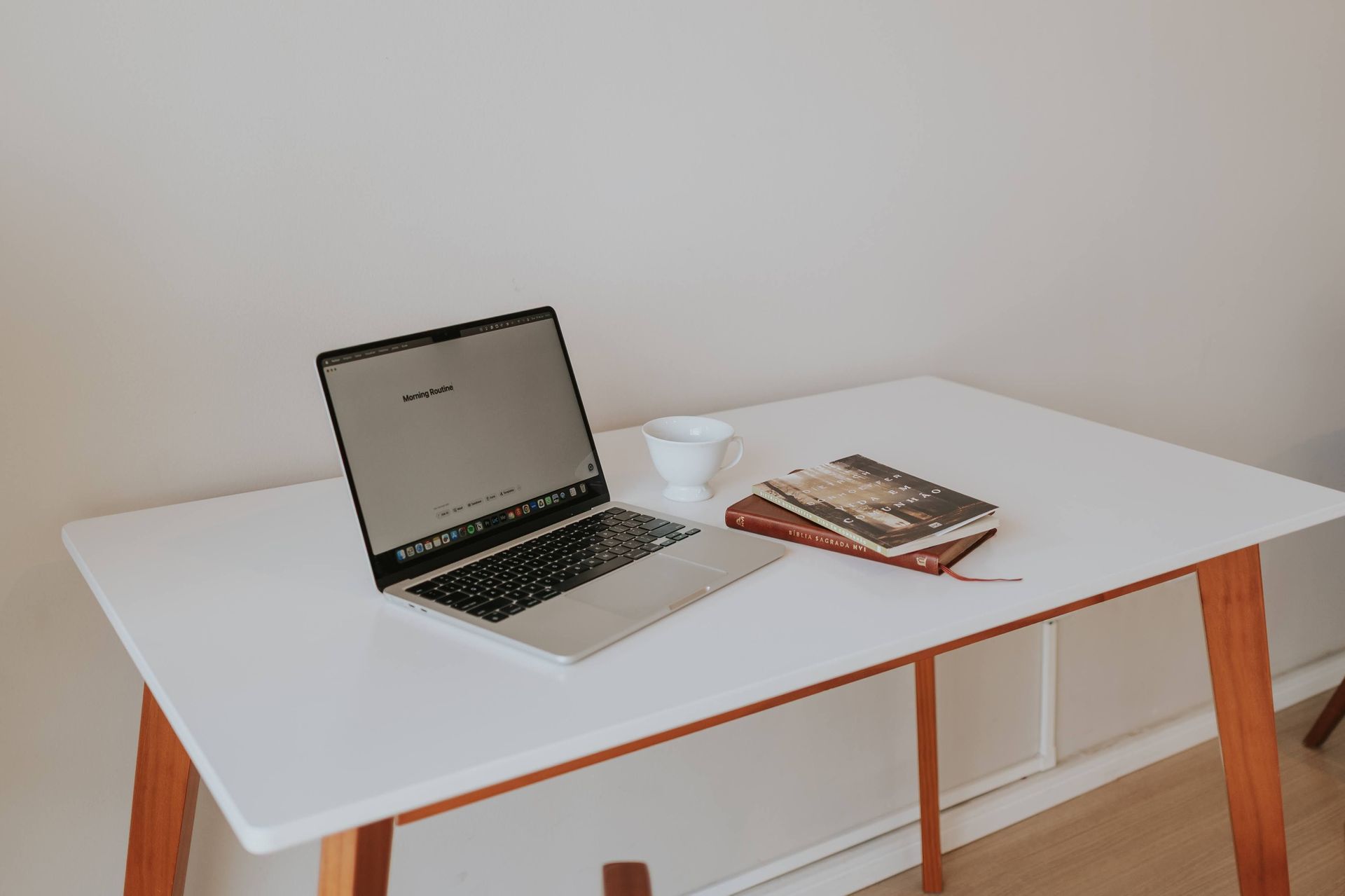
Discover how busy professionals can optimize their home office to support physical activity, reduce prolonged sitting, boost productivity, and improve long-term health using evidence-based strategies, movement-friendly workspace design, exercise snacks, walking meetings, and practical fitness habits.

Discover the neuroscience of impulse control and how mindfulness can help you pause before reacting. Learn how a small break can reduce impulsive decisions, strengthen self-control, and improve emotional regulation using evidence-based psychological strategies.
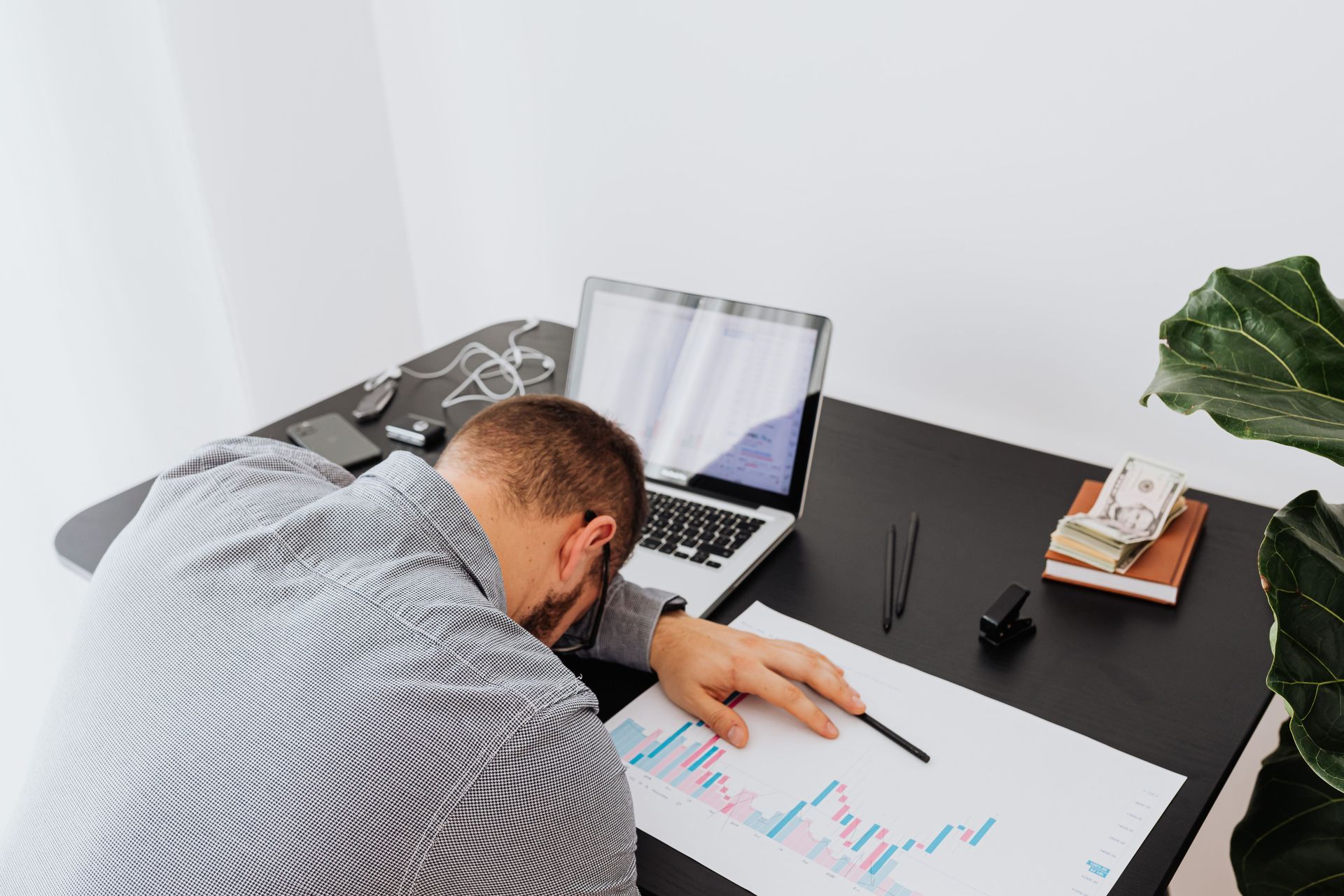
th, time management, and a strong identity beyond work. Discover practical strategies to prevent burnout and create sustainable long-term well-being.
Discover how boundaries, autonomy, workload control, and digital disconnection reduce stress, improve recovery, and prevent burnout.
Learn how to recover from burnout by rewiring your brain and nervous system. Discover science-backed techniques including breathwork, mindfulness, exercise, cognitive restructuring, psychological flexibility, and motivation rebuilding.
Learn the science of recovery, why scrolling isn't rest, how sleep repairs the brain, and why weekends alone don't cure burnout.
Burnout is more than stress. Learn how chronic burnout impacts mental health, heart health, immunity, cognition, and overall well-being.
Burnout doesn’t happen overnight. Learn the early warning signs—mental, physical, and behavioral—so you can catch burnout before it takes control.
Feeling exhausted but work isn’t the problem? Learn how life burnout happens and why your daily responsibilities may be draining you.
Think burnout is just stress? Discover how your thoughts, habits, and mindset may be silently driving your exhaustion.