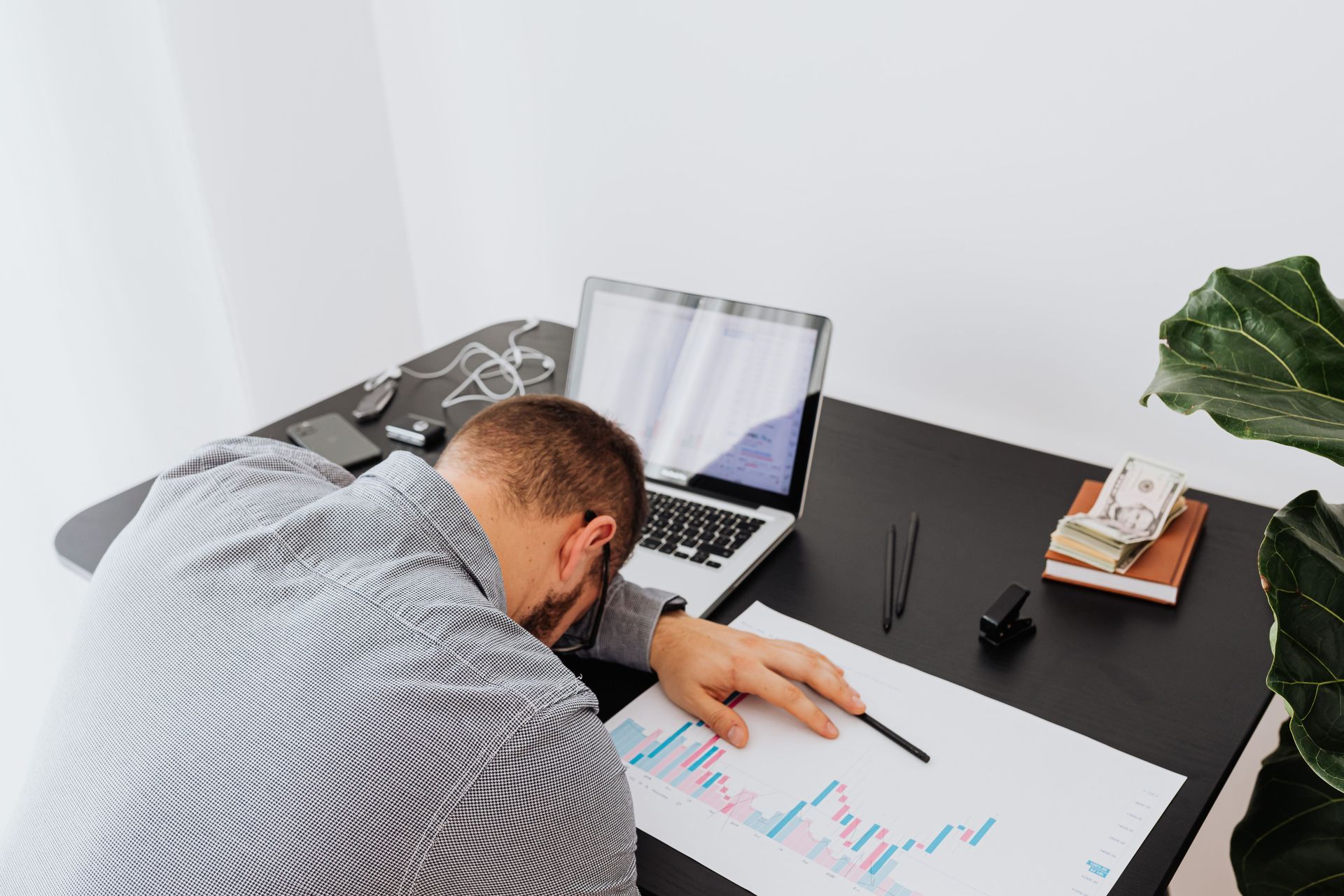





What if we are meant to suffer in life?

Mohamad-Ali Salloum, PharmD • December 13, 2022

Share

  • Slide title

    Write your caption here
    Button
  • Slide title

    Write your caption here
    Button
  • Slide title

    Write your caption here
    Button
  • Slide title

    Write your caption here
    Button

What if we got life wrong? 

We are not meant to enjoy life…

How about, we are meant to enjoy suffering through life?


All our lives, we are told to search for our happiness. But happiness can only be found at the corner, and we are in the circle of life.


Thus, chasing happiness will only lead us to dissatisfaction and being lost.


Even physically, we are not meant to be happy always, otherwise, in excess of dopamine, we will suffer from schizophrenia.


When we are happy, we release serotonin, dopamine, and other molecules. But we don’t have infinite stores of these molecules. They need to be recycled. And thus, we go back to our baseline state or sadness. 


One way to avoid deep sadness is that we need to learn to enjoy the darkness. It will not only make the dark time pass faster, but it will also prevent this dark period from dragging you to the irreversible place; DEPRESSION.


Realizing this concept- enjoying the suffering- is very important as it teaches us that there is always light at the end of the tunnel. The only way to go through it is to acknowledge the feelings and convert the energy to something useful.


If you are angry or sad, go to the gym and channel this energy into lifting and exhaust yourself physically. You will no longer be angry or sad.


Emotions sometimes are deceptive; you don’t have to listen “always” to your emotions.


That's why who depend on motivation to do their work or go to the gym will never get the required results. They lack discipline.


You can always turn the feeling of "suffering or sadness" into something useful. Learn to channel this energy and see how eventually the outcomes will turn for you.


Let me give you a quick example.


I wrote this article while walking on a treadmill in the gym. A couple of hours ago I was feeling down, not knowing the reason why. Nonetheless, I went to the gym and forced myself into movement. Little by little, my mood started shifting from being down to enthusiasm and motivation again to continue working on what I love to do. 


And that’s how ignoring your temporary feelings, in another words "discipline" , can save your day.


Forcing yourself to do things YOU KNOW is good for you- but at the moment you don’t feel like doing- will lead to a positive feedback effect.


If I went to sleep today without doing something that will make me feel good (like going to the gym), this will definitely extend to tomorrow and will ruin tomorrow’s workflow as well.


I went from “why does all this matter” to “f**k yeah, let’s rule the world”.


I hope you got the point I’m trying to say.


Just force yourself to move more.


“Do” in life more than you “think”.


Don’t trust always your temporary feelings, but trust your intuition (which are two separate things) and learn how to enjoy your suffering and turn it into something useful!


Now, excuse me, I m going to run on the treadmill as I’ve never run before.😎


List of Services

    • Slide title

      Write your caption here
      Button
    • Slide title

      Write your caption here
      Button
    • Slide title

      Write your caption here
      Button
    • Slide title

      Write your caption here
      Button

    ABOUT THE AUTHOR

    Mohamad-Ali Salloum, PharmD
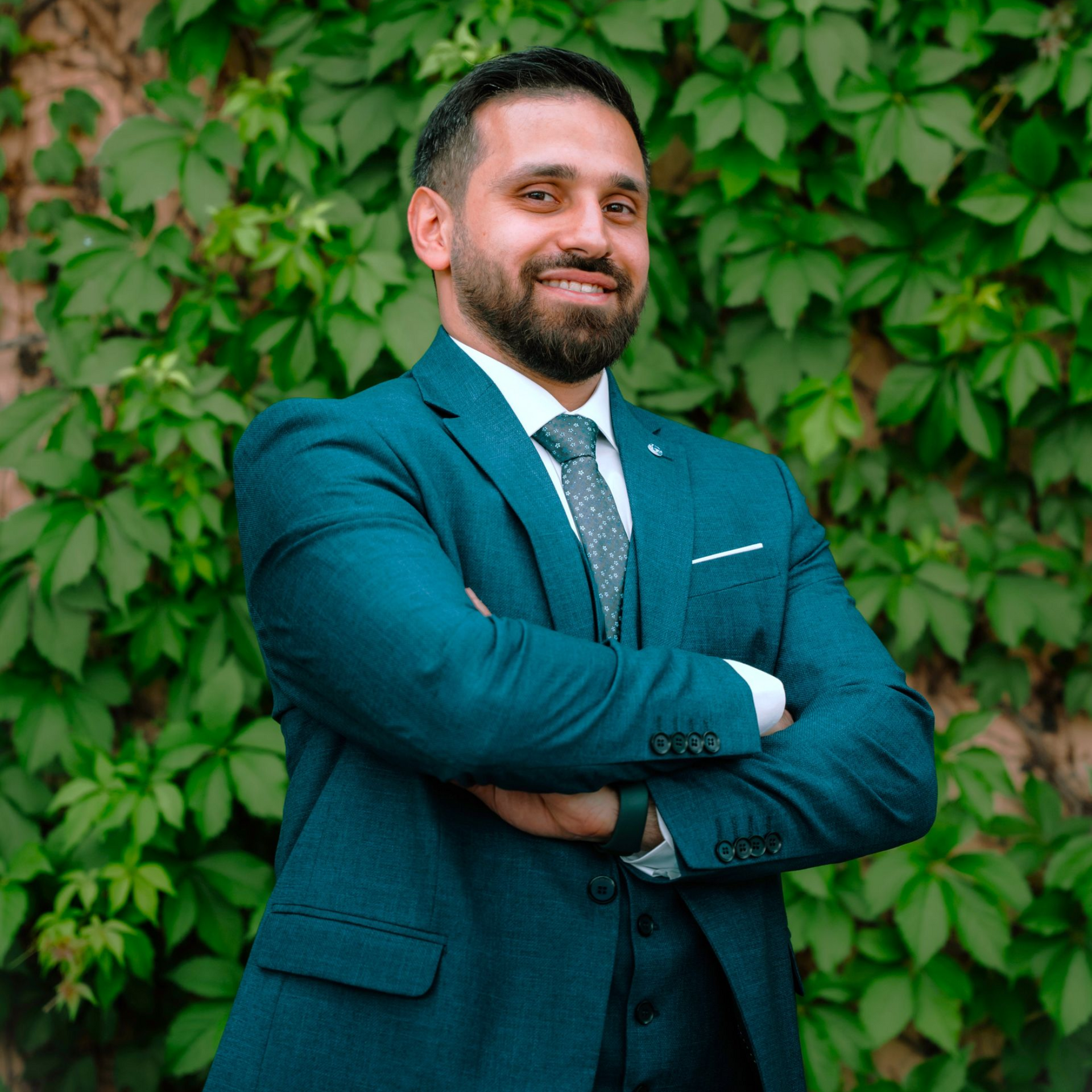
    Mohamad Ali Salloum LinkedIn Profile

    Mohamad-Ali Salloum is a Pharmacist and science writer. He loves simplifying science to the general public and healthcare students through words and illustrations. When he's not working, you can usually find him in the gym, reading a book, or learning a new skill.

    Share

    Recent articles:

    By Mohamad-Ali Salloum, PharmD February 27, 2026
    References: Qiang S, Wu J, Zheng D, et al. The effect of stress mindset on psychological pain: the chain mediating roles of cognitive reappraisal and self-identity. Front Psychol. 2025;16. 1 Bosshard M, Gomez P. Effectiveness of stress arousal reappraisal and stressisenhancing mindset interventions on task performance outcomes: a meta-analysis. Sci Rep. 2024. 2 Zhao S, Chen P, Jin L, et al. Unlocking Emotional Well-Being: Evaluation of a Stress Mindset Intervention With a Metacognitive Approach. Emotion. 2025;25(5):1169–1184. 4 Meyer HH, Stutts LA. The Effect of Mindset Interventions on Stress and Academic Motivation in College Students. Innov High Educ. 2024;49:783–798. 7 Crum AJ, Santoro E, Handley-Miner I, et al. Evaluation of the “Rethink Stress” Mindset Intervention: A Metacognitive Approach to Changing Mindsets. J Exp Psychol Gen. 2023. 3 Laferton JAC, Fischer S, Ebert DD, et al. The Effects of Stress Beliefs on Daily Affective Stress Responses. Ann Behav Med. 2020;54(4):258–267. 5 UCSF Stress Measurement Network. Beliefs about Stress . 2026. 6 
    By Mohamad-Ali Salloum, PharmD February 24, 2026
    References: Qiang S, Wu J, Zheng D, et al. The effect of stress mindset on psychological pain: the chain mediating roles of cognitive reappraisal and self-identity. Front Psychol. 2025;16. 1 Bosshard M, Gomez P. Effectiveness of stress arousal reappraisal and stressisenhancing mindset interventions on task performance outcomes: a meta-analysis. Sci Rep. 2024. 2 Zhao S, Chen P, Jin L, et al. Unlocking Emotional Well-Being: Evaluation of a Stress Mindset Intervention With a Metacognitive Approach. Emotion. 2025;25(5):1169–1184. 4 Meyer HH, Stutts LA. The Effect of Mindset Interventions on Stress and Academic Motivation in College Students. Innov High Educ. 2024;49:783–798. 7 Crum AJ, Santoro E, Handley-Miner I, et al. Evaluation of the “Rethink Stress” Mindset Intervention: A Metacognitive Approach to Changing Mindsets. J Exp Psychol Gen. 2023. 3 Laferton JAC, Fischer S, Ebert DD, et al. The Effects of Stress Beliefs on Daily Affective Stress Responses. Ann Behav Med. 2020;54(4):258–267. 5 UCSF Stress Measurement Network. Beliefs about Stress . 2026. 6
    By Mohamad-Ali Salloum, PharmD February 14, 2026
    A clear, evidence‑based guide to Ramadan fasting, explaining its metabolic, mental, and cardiometabolic benefits, plus practical nutrition, hydration, sleep, and medication strategies for healthy adults and high‑risk patients.
    By Mohamad-Ali Salloum, PharmD February 13, 2026
    A practical guide to shifting from blaming “human error” to applying ICH GCP E6(R3) system‑level quality, Quality by Design, and risk‑based oversight to prevent repeat deviations in clinical trials.
    By Mohamad-Ali Salloum, PharmD February 10, 2026
    Learn 5 Whys and Fishbone (Ishikawa) for Root Cause Analysis in clinical research, with practical examples and an interactive quiz—no fluff, just clarity.
    By Mohamad-Ali Salloum, PharmD February 9, 2026
    A clear, practical guide to CAPA for Clinical Research Associates—covering corrective and preventive actions, real‑world scenarios, and an interactive quiz to reinforce learning.
    By Mohamad-Ali Salloum, PharmD February 5, 2026
    Boost your health with a simple 30‑minute morning walk backed by science—better heart health, mood, sleep, and energy.
    By Mohamad-Ali Salloum, PharmD February 3, 2026
    References: Gunes IB, Gunes A. Association Between Eyelid Twitching and Digital Screen Time, Uncorrected Refractive Error, Intraocular Pressure, and Blood Electrolyte Imbalances. Cureus . 2024;16(9):e69249. Available from: https://www.cureus.com/articles/291035-association-between-eyelid-twitching-and-digital-screen-time-uncorrected-refractive-error-intraocular-pressure-and-blood-electrolyte-imbalances Banik R, Miller NR. Chronic myokymia limited to the eyelid is a benign condition. J Neuroophthalmol . 2004;24(4):290–2. Available from: https://scholars.mssm.edu/en/publications/chronic-myokymia-limited-to-the-eyelid-is-a-benign-condition-2 Hallett M. Blepharospasm: recent advances. Neurology . 2002;59(11):1759–60. Available from: https://europepmc.org/abstract/MED/12434791 Defazio G, Livrea P. Epidemiology of primary blepharospasm. Mov Disord . 2002;17(1):7–12. Available from: https://europepmc.org/article/MED/11835433 Zeppieri M, Ameer MA, Jahngir MU, Patel BC. Meige Syndrome. In: StatPearls [Internet]. Treasure Island (FL): StatPearls Publishing; 2024. Available from: https://europepmc.org/article/MED/30020730 Zhang Y, Adamec I, Habek M. Superior oblique myokymia: a meta-analysis. J Ophthalmol . 2018;2018:7290547. Available from: https://doi.org/10.1155/2018/7290547 Costa J, Espírito-Santo C, Borges A, et al. Botulinum toxin type A therapy for blepharospasm. Cochrane Database Syst Rev . 2020;11:CD004900. Available from: https://www.cochranelibrary.com/cdsr/doi/10.1002/14651858.CD004900.pub2/abstract Khalkhali M. Topiramate-induced persistent eyelid myokymia. Case Rep Psychiatry . 2016;2016:7901085. Available from: https://europepmc.org/articles/PMC4886081/
    By Mohamad-Ali Salloum, PharmD February 1, 2026
    References: Sen A, Tai XY. Sleep duration and executive function in adults. Curr Neurol Neurosci Rep. 2023;23:801–813. [link.springer.com] Nature Research Intelligence. Sleep deprivation and cognitive performance. Nature Portfolio. 2023. Available from: https://www.nature.com/… [nature.com] Skourti E, Simos P, Zampetakis A, et al. Long-term associations between objective sleep and verbal memory performance. Front Neurosci. 2023;17:1265016. [frontiersin.org] Hauglund NL, Andersen M, Tokarska K, et al. Norepinephrine‑mediated slow vasomotion drives glymphatic clearance during sleep. Cell. 2025;188(3):606‑622.e17. [cell.com] Shirolapov IV, Zakharov AV, Smirnova DA, et al. The role of the glymphatic clearance system in sleep–wake interactions and neurodegeneration. Neurosci Behav Physiol. 2024;54:199–204. [link.springer.com] Kong Y, Yu B, Guan G, et al. Effects of sleep deprivation on sports performance: a systematic review and meta-analysis. Front Physiol. 2025;16:1544286. [frontiersin.org] Gong M, Sun M, Sun Y, et al. Effects of acute sleep deprivation on sporting performance in athletes. Nat Sci Sleep. 2024;16:—. [tandfonline.com] Dean B, Hartmann T, Wingfield G, et al. Sleep restriction between consecutive days of exercise impairs cycling performance. J Sleep Res. 2023;32(3):e13857. [onlinelibr....wiley.com] Mah CD, Mah KE, Kezirian EJ, Dement WC. The effects of sleep extension on athletic performance in collegiate basketball players. Sleep. 2011;34(7):943–950. [psycnet.apa.org] Cunha LA, Costa JA, Marques EA, et al. Impact of sleep interventions on athletic performance: a systematic review. Sports Med Open. 2023;9:58. [link.springer.com] Teece AR, Beaven CM, Argus CK, et al. Daytime naps improve afternoon power and perceptual measures in elite rugby union athletes. Sleep. 2023;46(12):zsad133. [academic.oup.com] Mesas AE, Núñez de Arenas-Arroyo S, Martinez-Vizcaino V, et al. Daytime napping and cognitive/physical sport performance: meta-analysis of RCTs. Br J Sports Med. 2023;57(7):417–27. [bjsm.bmj.com] Haines Roberts SS, Teo WP, Warmington SA. Effects of training and competition on the sleep of elite athletes. Br J Sports Med. 2019;53(8):513–522. [bjsm.bmj.com] Walsh NP, Halson SL, Sargent C, et al. Sleep and the athlete: 2021 expert consensus recommendations. Br J Sports Med. 2021;55(7):356–368. [bjsm.bmj.com] Janse van Rensburg DC, Fowler PM, Racinais S. Practical tips to manage travel fatigue and jet lag in athletes. Br J Sports Med. 2021;55(15):821–822. [bjsm.bmj.com] Watson NF, Badr MS, Belenky G, et al. Recommended amount of sleep for a healthy adult: AASM/SRS consensus statement. Sleep. 2015;38(6):843–844. [aasm.org] Centers for Disease Control and Prevention. FastStats: Sleep in adults. CDC. 2024. Available from: https://www.cdc.gov/sleep/… [cdc.gov]
    More Posts