







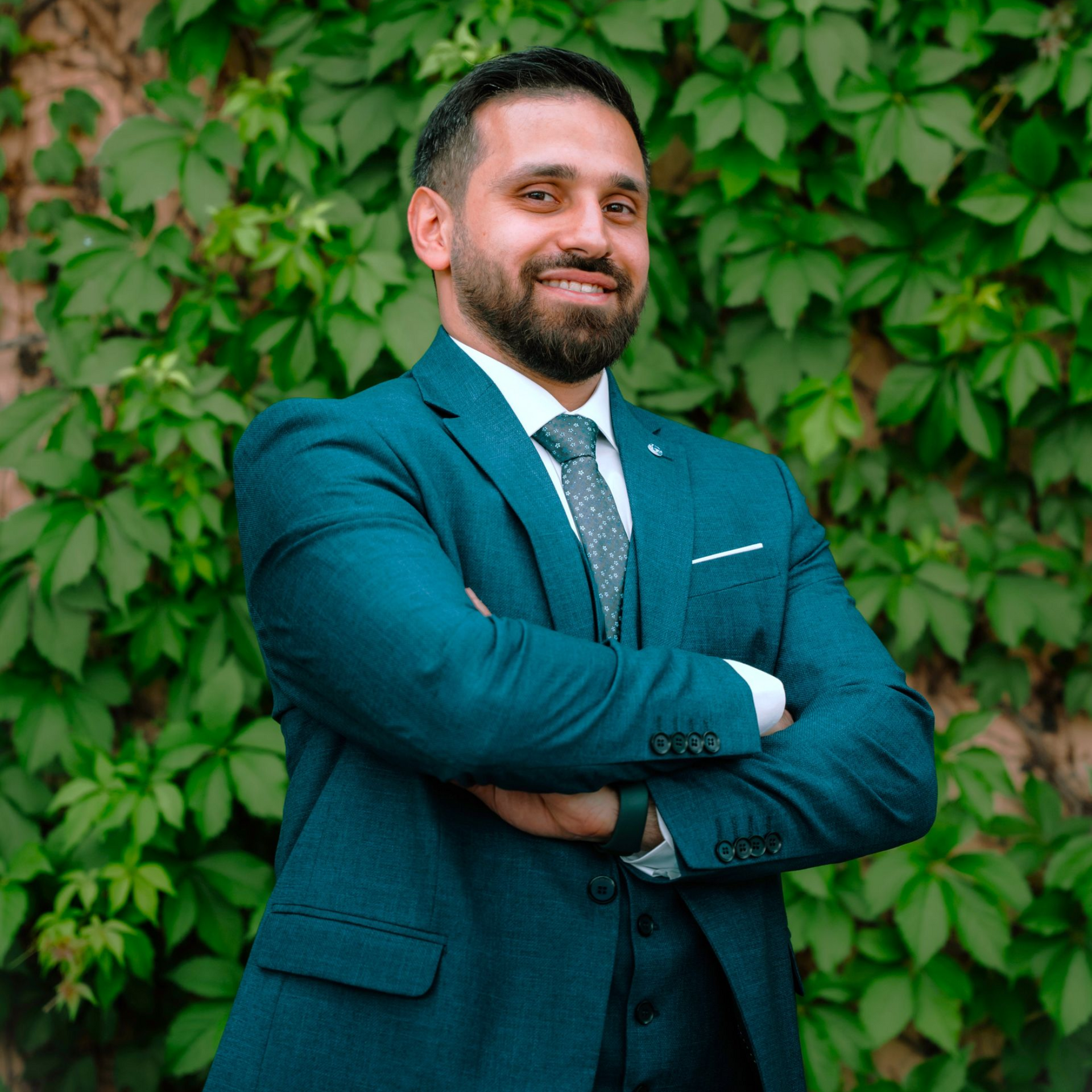
Mohamad-Ali Salloum is a Pharmacist and science writer. He loves simplifying science to the general public and healthcare students through words and illustrations. When he's not working, you can usually find him in the gym, reading a book, or learning a new skill.
Running: START NOW!!
Mohamad-Ali Salloum, PharmD • December 30, 2022
Share
Running (or jogging) is the most simple exercise, yet, it is one of the most important and beneficial.
In this article I will use one term, which is “running”, but I also mean jogging for those that wish to run less intense runs.
👏IT DOES NOT COST YOU ANYTHING!👏
Now that I grabbed your attention, you just need:
- Two legs,
- A sports-ware,
- Good running shoes. (This may cost you a little…but who does not want nice running shoes???)
Even time-wise, it does not cost you your precious time.
You can always run for 10 minutes before taking the shower you already have. Cut off 10 minutes from social media and put it into running. In a while, this 10-minute will turn into 30 minutes and even hours :) (trust me..)
So running will cost you neither money nor time.
Let me add to the equation. It can even benefit you!!!
CAN YOU IMAGINE?! 😮
These are the health benefits that you can gain from running: (1)
· Burn a lot of Calories (obviously..)
· Improve Cardiovascular Health
· Build Muscular strength
· Increase bone density
· Improve markers of Health
· Reduce stress
· Boost Confidence
Not to forget the positive effects of running on mental health: (2) (3)
· Improved working memory and focus
· Better task-switching ability
· Elevated mood
For amateur runners, you don’t even have to plan for anything or do any program. Just stretch a little, set the timer for 10 minutes, and go for a run. After a while, you’ll notice that a 10-minute run is too easy for you. Then, you will start increasing the run time.
Just for your information, as I am writing this article, I also started my running journey. I casually run in the gym or on weekends for fun, but I never took running seriously.
In November 2022, I decided to start a running journey and see how much I can push my limits and discover what I will be able to achieve (physically and mentally)
For that reason, I created a blog that will be dedicated to running to motivate those who want to run and know more about running and its benefits. I hope that you join me in this journey and share your experiences.
Resources:
List of Services
ABOUT THE AUTHOR
Mohamad-Ali Salloum, PharmD
Share
Recent articles:

Discover how busy professionals can optimize their home office to support physical activity, reduce prolonged sitting, boost productivity, and improve long-term health using evidence-based strategies, movement-friendly workspace design, exercise snacks, walking meetings, and practical fitness habits.

Discover the neuroscience of impulse control and how mindfulness can help you pause before reacting. Learn how a small break can reduce impulsive decisions, strengthen self-control, and improve emotional regulation using evidence-based psychological strategies.

th, time management, and a strong identity beyond work. Discover practical strategies to prevent burnout and create sustainable long-term well-being.
Discover how boundaries, autonomy, workload control, and digital disconnection reduce stress, improve recovery, and prevent burnout.
Learn how to recover from burnout by rewiring your brain and nervous system. Discover science-backed techniques including breathwork, mindfulness, exercise, cognitive restructuring, psychological flexibility, and motivation rebuilding.
Learn the science of recovery, why scrolling isn't rest, how sleep repairs the brain, and why weekends alone don't cure burnout.
Burnout is more than stress. Learn how chronic burnout impacts mental health, heart health, immunity, cognition, and overall well-being.
Burnout doesn’t happen overnight. Learn the early warning signs—mental, physical, and behavioral—so you can catch burnout before it takes control.
Feeling exhausted but work isn’t the problem? Learn how life burnout happens and why your daily responsibilities may be draining you.
Think burnout is just stress? Discover how your thoughts, habits, and mindset may be silently driving your exhaustion.