







Mohamad-Ali Salloum is a Pharmacist and science writer. He loves simplifying science to the general public and healthcare students through words and illustrations. When he's not working, you can usually find him in the gym, reading a book, or learning a new skill.
What to Do After Turning 30: A Scientific Guide to Physical & Mental Health
Mohamad-Ali Salloum, PharmD • June 18, 2026
Share
Turning 30 often feels like a psychological milestone. You might not feel “old,” but something subtle starts to shift. Recovery takes a bit longer. Energy fluctuates. Your priorities evolve.
Here’s the truth:
Your body doesn’t suddenly change at 30—but the long-term processes quietly begin.
And if you understand them early, you can build a version of yourself at 40, 50, and beyond that is stronger—not weaker—than today.
🧠 The Big Picture: Your Body Is Now Playing the Long Game
In your 20s, your body forgives almost everything.
In your 30s, your body starts remembering.
- What you eat
- How you sleep
- How much you move
All of these begin to accumulate into real effects on:
- ❤️ Heart health
- 🔥 Metabolism
- 🧠 Brain function
- ⚖️ Hormonal balance
💡 Your 30s are the decade of prevention, not reaction.
💪 The Silent Change: Muscle Loss Starts Earlier Than You Think
Most people think muscle loss happens in old age.
It doesn’t.
It starts as early as your 30s.
This process is called sarcopenia —a gradual loss of muscle mass and strength.
You may lose muscle slowly each year if you’re inactive. Over time, this becomes significant.
🧠 Why does this matter?
- Controls metabolism
- Regulates blood sugar
- Protects joints
- Maintains independence
⚠️ You won’t notice muscle loss day to day—but your future self will.
✅ What you should do
Start resistance training now.
- 🏋️ 3 sessions per week
- Squats, pushes, pulls
- Progressively increase intensity
Even bodyweight counts:
- Push-ups
- Squats
- Lunges
The goal is not aesthetics. It's preserving function.
🫀 What a “Healthy Lifestyle” Actually Means
🏃♂️ 1. Movement: The Minimum Effective Dose
You don’t need extreme workouts.
Aim for:
- ✅ 150 minutes/week moderate exercise
- ✅ Or 75 minutes vigorous exercise
That’s just 30 minutes per day.
🚶 Walk daily + add 2–3 strength sessions per week
🥗 2. Nutrition: Think Long-Term Fuel
After 30, your metabolism becomes less forgiving.
- Protein → muscle preservation
- Whole foods → less inflammation
- Balanced meals → stable energy
Simple example:
- Breakfast: Eggs + toast
- Lunch: Chicken + vegetables
- Dinner: Fish + salad
- Snacks: Yogurt, nuts
😴 3. Sleep: The Hidden Superpower
Sleep is not passive—it’s recovery.
During sleep:
- Memory is stored
- Hormones are balanced
- Brain restores itself
Target: 7+ hours per night
💪 You can exercise and eat well, but without sleep—progress fails.
🧠 Mental Health After 30: The Overlooked Priority
Stress evolves in your 30s:
- Work pressure
- Financial responsibilities
- Relationships
🚩 Warning Signs
- Fatigue
- Irritability
- Poor focus
- Sleep issues
✅ What works
- Exercise
- Social interaction
- Mindfulness
- Journaling
🧘 10-minute rule: sit, breathe, reflect. Simple—but powerful.
🧪 What You Should Monitor (Lab Tests & Screenings)
Most people feel fine… until it’s too late.
Don’t rely on feelings—rely on data.
🩸 Essential Tests
- Lipid Profile → cholesterol levels
- Blood Sugar (HbA1c) → detect diabetes risk
- Blood Pressure → silent but dangerous
➕ Optional (based on need)
- Liver function
- Kidney function
- Thyroid
- Vitamin D
📊 Feeling healthy ≠ being healthy
⚖️ Weight vs. Body Composition
After 30, weight alone is misleading.
You can:
- Stay same weight
- Lose muscle
- Gain fat
Better metrics:
- Strength level
- Waist size
- Energy performance
🌱 The Lifestyle That Actually Works
✅ The 30+ Health Blueprint
- 🏋️ Strength train 2–3x/week
- 🚶 Move daily
- 🥗 Eat whole foods
- 😴 Sleep 7+ hours
- 🧠 Manage stress
- 🩸 Monitor labs
💡 Final Insight
Your 30s are not a decline.
They are a decision point.
👉 You’re either building resilience
👉 Or accelerating decline
In your 20s:
You spend health
In your 30s:
You invest it
🧪 Quick Interactive Quiz
References:
- Alliance for Aging Research. Sarcopenia facts and figures. [agingresearch.org]
- Gustafsson T, Ulfhake B. Aging skeletal muscles: mechanisms of age-related loss. Int J Mol Sci. 2024. [mdpi.com]
- Harvard Health Publishing. Age and muscle loss. 2026. [health.harvard.edu]
- World Health Organization. Guidelines on physical activity and sedentary behaviour. 2020. [who.int]
- Pratt M. WHO guidelines on physical activity. J Sport Health Sci. 2021. [pmc.ncbi.nlm.nih.gov]
- Pan American Health Organization. Physical activity and health benefits. [paho.org]
- National Heart, Lung, and Blood Institute. Why is sleep important? [nhlbi.nih.gov]
- Journal of Neurological Sciences. Sleep quality and cognitive function study. 2023. [jns-journal.com]
- McManus E et al. Effects of stress across lifespan on brain and mental health. Neurobiol Stress. 2022. [pmc.ncbi.nlm.nih.gov]
- CDC. Testing for cholesterol guidelines. 2024. [cdc.gov]
List of Services
ABOUT THE AUTHOR
Mohamad-Ali Salloum, PharmD
Share
Recent articles:
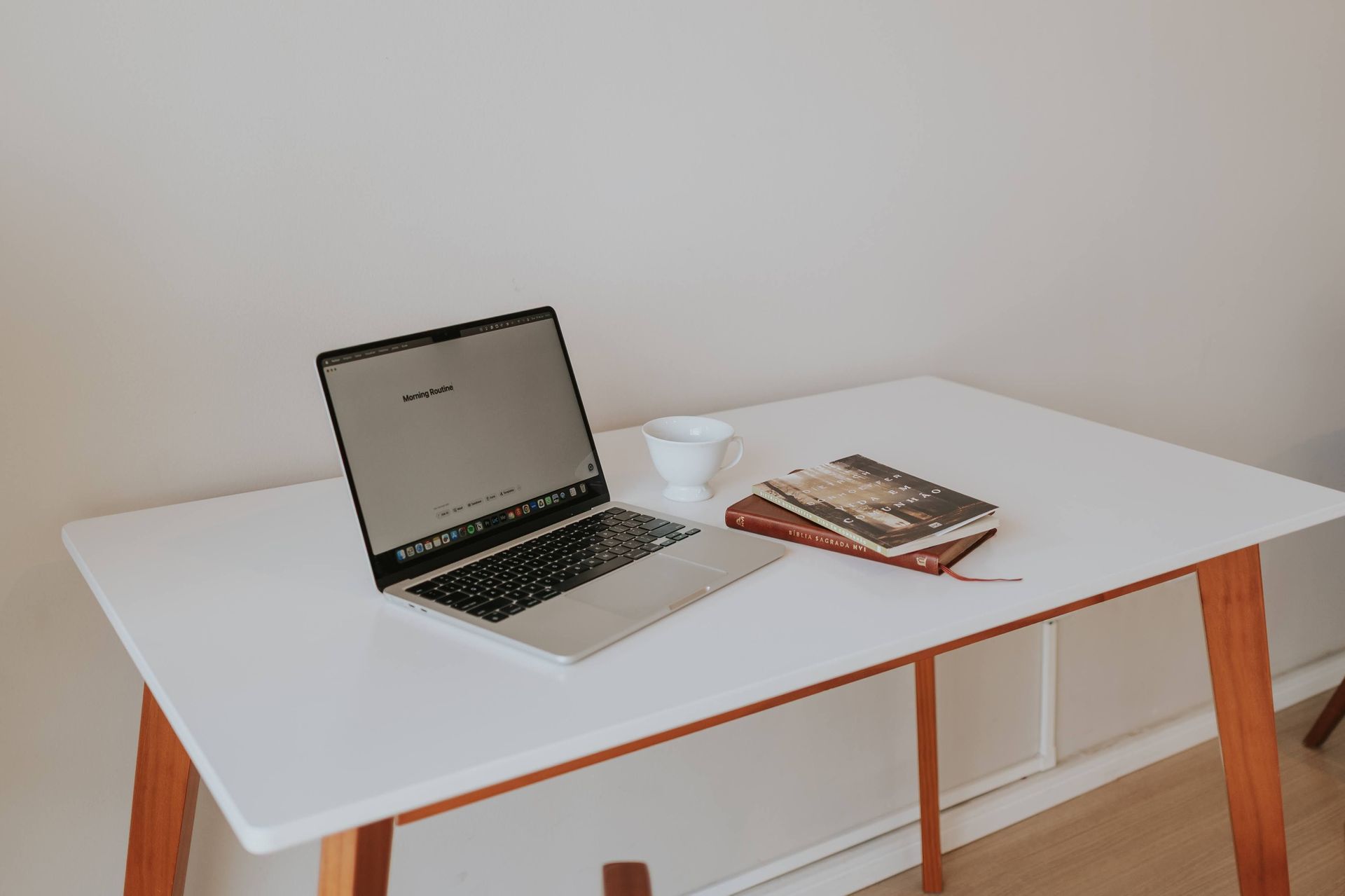
Discover how busy professionals can optimize their home office to support physical activity, reduce prolonged sitting, boost productivity, and improve long-term health using evidence-based strategies, movement-friendly workspace design, exercise snacks, walking meetings, and practical fitness habits.

Discover the neuroscience of impulse control and how mindfulness can help you pause before reacting. Learn how a small break can reduce impulsive decisions, strengthen self-control, and improve emotional regulation using evidence-based psychological strategies.
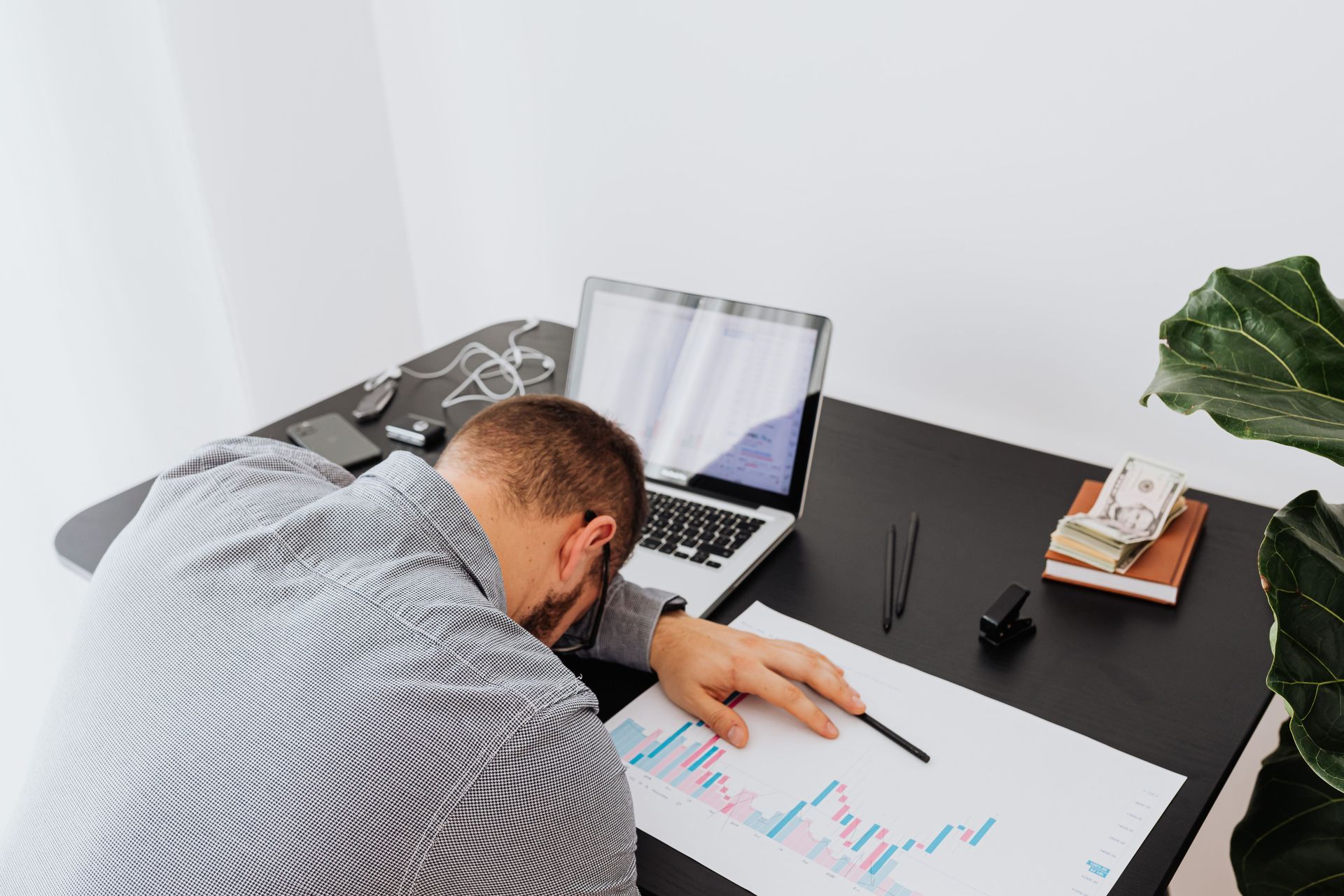
th, time management, and a strong identity beyond work. Discover practical strategies to prevent burnout and create sustainable long-term well-being.
Discover how boundaries, autonomy, workload control, and digital disconnection reduce stress, improve recovery, and prevent burnout.
Learn how to recover from burnout by rewiring your brain and nervous system. Discover science-backed techniques including breathwork, mindfulness, exercise, cognitive restructuring, psychological flexibility, and motivation rebuilding.
Learn the science of recovery, why scrolling isn't rest, how sleep repairs the brain, and why weekends alone don't cure burnout.
Burnout is more than stress. Learn how chronic burnout impacts mental health, heart health, immunity, cognition, and overall well-being.
Burnout doesn’t happen overnight. Learn the early warning signs—mental, physical, and behavioral—so you can catch burnout before it takes control.
Feeling exhausted but work isn’t the problem? Learn how life burnout happens and why your daily responsibilities may be draining you.
Think burnout is just stress? Discover how your thoughts, habits, and mindset may be silently driving your exhaustion.