








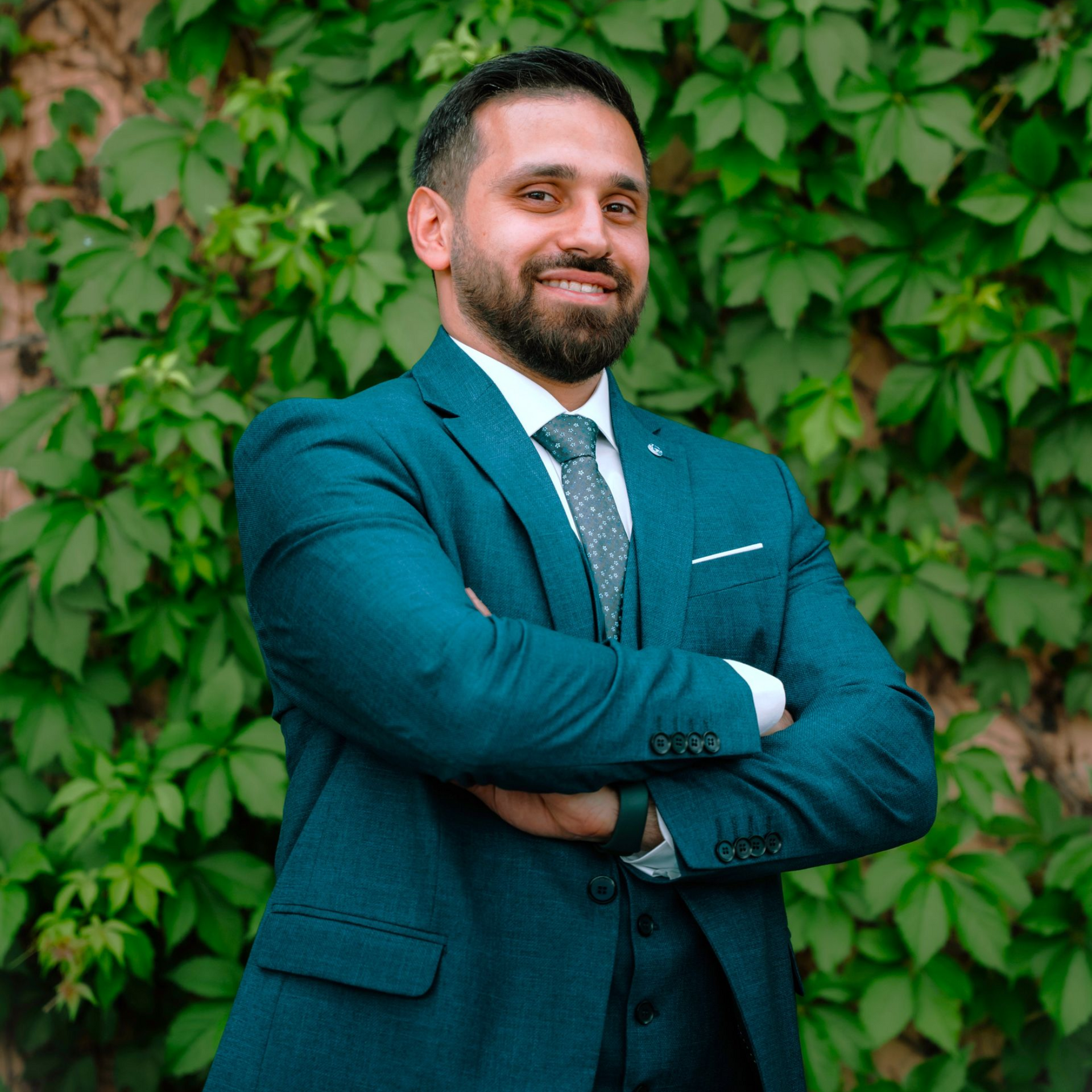
Mohamad-Ali Salloum is a Pharmacist and science writer. He loves simplifying science to the general public and healthcare students through words and illustrations. When he's not working, you can usually find him in the gym, reading a book, or learning a new skill.
Addictions, How Do We Develop Them? Introducing a 10‑Part Scientific Series
Mohamad-Ali Salloum, PharmD • March 26, 2026
Share
Addiction is one of the most misunderstood topics in health and psychology. For decades, people have debated whether it is a choice, a moral weakness, a brain disease, or a social problem. But modern research paints a far more nuanced—and far more hopeful—picture. Today, scientists recognize addiction as a complex interaction between brain circuits, learned behaviors, emotions, stress systems, and environmental forces that shape our choices long before we ever realize it.
Over the past several years, breakthroughs in neuroscience, psychology, and clinical research have dramatically transformed our understanding of how addictions develop and why they persist. Yet much of this knowledge remains trapped in academic journals, technical reports, and specialized conferences—far from the people who need it most.
This series was created to bridge that gap.
Why This Series Was Created
Whether we look at substance addictions like alcohol or opioids, or behavioral addictions like gaming, gambling, or compulsive social media use, one thing is clear: people don’t choose addiction—addiction emerges through predictable biological and psychological processes.
As a clinical researcher and science communicator, I’ve seen how powerful accurate knowledge can be. When people understand why the brain becomes vulnerable, how habits turn into compulsions, and what factors increase or decrease risk, the stigma surrounding addiction begins to dissolve. Families communicate better. Individuals recognize warning signs earlier. And most importantly, recovery becomes more approachable and less shame‑based.
This 10‑part series distills hundreds of scientific papers, modern theories, and clinical observations into a structured, accessible journey through the full story of addiction—from first use to long‑term recovery.
What This Series Covers
Part 1 — What Is Addiction?
A modern, science‑based definition of addiction as a chronic interaction between the brain, behavior, and environment.
A modern, science‑based definition of addiction as a chronic interaction between the brain, behavior, and environment.
Part 2 — Why the Brain Gets Hooked
How dopamine, reward pathways, and learning systems contribute to craving and loss of control.
How dopamine, reward pathways, and learning systems contribute to craving and loss of control.
Part 3 — From Habits to Compulsions
Why repetition rewires the brain and how automatic behaviors turn into compulsive addiction.
Why repetition rewires the brain and how automatic behaviors turn into compulsive addiction.
Part 4 — The Major Neurobiological Theories
Exploring the core scientific models that explain different aspects of addiction.
Exploring the core scientific models that explain different aspects of addiction.
Part 5 — Why We Relapse
The hidden biological memory of addiction, cue‑reactivity, and why relapse isn’t a failure of willpower.
The hidden biological memory of addiction, cue‑reactivity, and why relapse isn’t a failure of willpower.
Part 6 — Stress, Emotion, and Trauma
How emotional dysregulation, trauma, and chronic stress shape vulnerability to addiction.
How emotional dysregulation, trauma, and chronic stress shape vulnerability to addiction.
Part 7 — The Stages of Addiction
A walk through the progression from experimentation to dependence and relapse.
A walk through the progression from experimentation to dependence and relapse.
Part 8 — Breaking the Cycle: Effective Treatments
What modern science says works: therapy, medications, mindfulness, neuromodulation, and more.
What modern science says works: therapy, medications, mindfulness, neuromodulation, and more.
Part 9 — The Future of Addiction Science
Neuroimaging, biomarkers, precision medicine, and emerging technologies shaping the next decade.
Neuroimaging, biomarkers, precision medicine, and emerging technologies shaping the next decade.
Part 10 — Prevention, Recovery, and Society
A final synthesis of everything we've learned, plus evidence‑based guidance for prevention and long‑term healing.
A final synthesis of everything we've learned, plus evidence‑based guidance for prevention and long‑term healing.
Who This Series Is For
This series was written for anyone who wants a clear, science‑based understanding of addiction, including: individuals curious about their own habits, families supporting loved ones, students, clinicians, educators, and anyone fascinated by how the human brain learns and adapts.
You don’t need a background in medicine or neuroscience—every concept is explained with clarity and real‑world examples.
A Final Word Before We Begin
If you or someone you love has been affected by addiction, I want you to know this: There is always a scientific explanation for what you’re experiencing, and there is always a way forward. Understanding the process is the first step toward breaking the cycle.
I hope this series brings clarity, compassion, and a deeper appreciation for the complexity of the human brain—and the resilience that defines recovery.
List of Services
ABOUT THE AUTHOR
Mohamad-Ali Salloum, PharmD
Share
Recent articles:

Discover how busy professionals can optimize their home office to support physical activity, reduce prolonged sitting, boost productivity, and improve long-term health using evidence-based strategies, movement-friendly workspace design, exercise snacks, walking meetings, and practical fitness habits.

Discover the neuroscience of impulse control and how mindfulness can help you pause before reacting. Learn how a small break can reduce impulsive decisions, strengthen self-control, and improve emotional regulation using evidence-based psychological strategies.

th, time management, and a strong identity beyond work. Discover practical strategies to prevent burnout and create sustainable long-term well-being.
Discover how boundaries, autonomy, workload control, and digital disconnection reduce stress, improve recovery, and prevent burnout.
Learn how to recover from burnout by rewiring your brain and nervous system. Discover science-backed techniques including breathwork, mindfulness, exercise, cognitive restructuring, psychological flexibility, and motivation rebuilding.
Learn the science of recovery, why scrolling isn't rest, how sleep repairs the brain, and why weekends alone don't cure burnout.
Burnout is more than stress. Learn how chronic burnout impacts mental health, heart health, immunity, cognition, and overall well-being.
Burnout doesn’t happen overnight. Learn the early warning signs—mental, physical, and behavioral—so you can catch burnout before it takes control.
Feeling exhausted but work isn’t the problem? Learn how life burnout happens and why your daily responsibilities may be draining you.
Think burnout is just stress? Discover how your thoughts, habits, and mindset may be silently driving your exhaustion.